Book an Appointment

Your life is waiting. Fast, long-lasting relief is nearby.


Fertility & Infertility Care

Fertility & Infertility Care

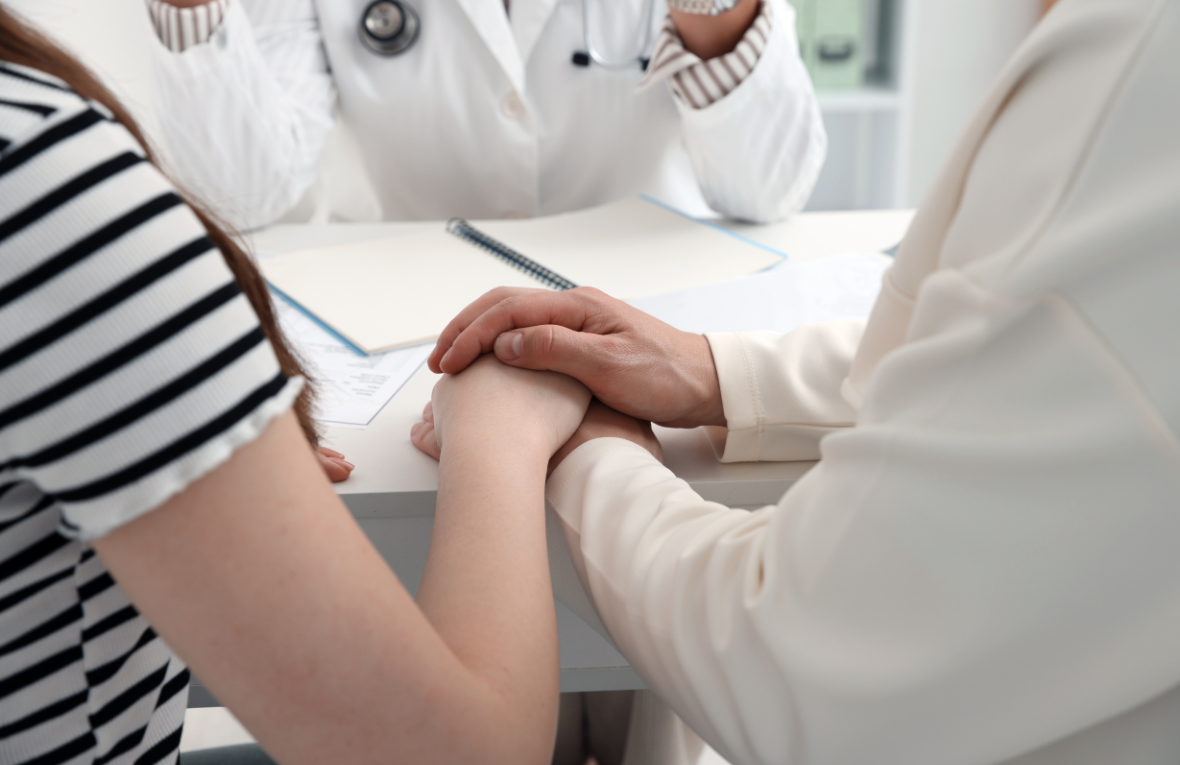
Our fertility services provide comprehensive evaluation and treatment for couples facing challenges in conceiving. We combine scientific expertise with emotional support to create a safe and encouraging environment. Personalized care ensures patients receive treatments tailored to their specific needs while maintaining overall reproductive health. Education and counseling help couples understand their condition, treatment options, and lifestyle adjustments that can improve fertility outcomes.

Basic infertility evaluation includes hormonal testing, ovulation monitoring, semen analysis, and imaging studies to identify the causes of infertility. These assessments guide personalized treatment plans to maximize the chances of conception. Our approach emphasizes both medical precision and patient-centered care, ensuring couples feel supported and informed throughout the process.


Treatment options range from ovulation induction, timed intercourse guidance, and intrauterine insemination (IUI) to advanced assisted reproductive technologies. Each method is carefully selected based on medical assessment, age, and lifestyle factors. Our team provides ongoing monitoring and adjustments to optimize results while minimizing stress and discomfort.

Lifestyle and dietary counseling form a key part of fertility care. Nutrition, exercise, and stress management can significantly impact reproductive health. Preventive care, regular monitoring, and education ensure couples maintain long-term reproductive wellness and are equipped to make informed decisions for future family planning.

Frequently Asked Questions

How often should I visit a gynecologist or obstetrician?

It’s recommended that women schedule a general gynecology or wellness check-up at least once a year. However, during pregnancy or when facing specific concerns like menstrual irregularities, infertility, or menopause symptoms, more frequent visits may be necessary for close monitoring and preventive care.

What lifestyle habits support better reproductive and hormonal health?

Maintaining a balanced diet rich in fruits, vegetables, and proteins, exercising regularly, managing stress, staying hydrated, and getting adequate sleep all contribute to reproductive and hormonal wellness. Avoiding smoking, alcohol, and processed foods further enhances fertility and hormonal balance.

When should I consider fertility evaluation or treatment?

Couples under 35 are advised to seek evaluation if they haven’t conceived after one year of regular, unprotected intercourse. Those above 35 should consult after six months. Early assessment helps identify any underlying issues and allows for timely, effective treatment options.

What screenings are most important for women’s preventive health?

Key screenings include Pap smears for cervical cancer, HPV testing, breast exams, bone density checks after menopause, and blood tests to assess thyroid, sugar, and cholesterol levels. Regular check-ups ensure early detection and prevention of health issues.

How can I prepare for a healthy pregnancy?

Preconception counseling is the best way to start. Women should focus on maintaining a healthy weight, taking folic acid supplements, staying active, avoiding harmful substances, and managing any chronic conditions like diabetes or thyroid disorders before conceiving.