Book an Appointment

Your life is waiting. Fast, long-lasting relief is nearby.


High-Risk Pregnancy Care

About High-Risk Pregnancy Care

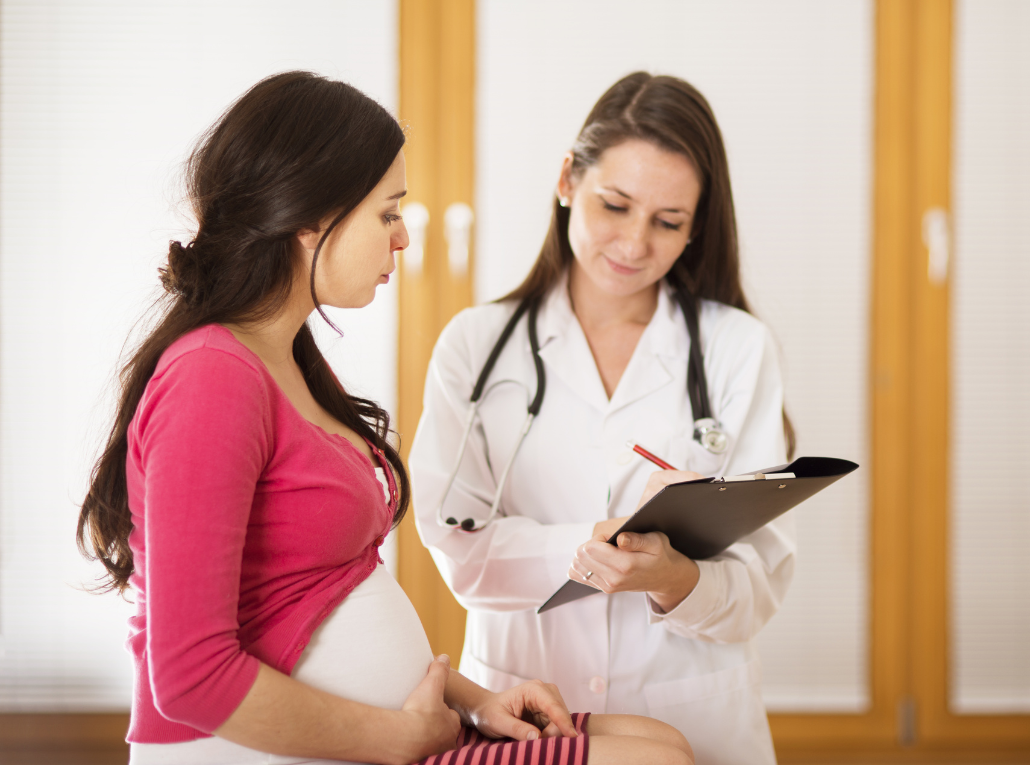
High-risk pregnancies require extra attention and precise management to ensure maternal and fetal well-being. Our team provides expert care with frequent monitoring, early interventions, and personalized treatment plans. We work closely with patients to educate them about potential risks, lifestyle adjustments, and preventive strategies to reduce complications. Emotional support is provided to help mothers navigate stress and anxiety during high-risk pregnancy periods.

We identify risk factors such as hypertension, diabetes, thyroid disorders, advanced maternal age, multiple pregnancies, or previous cesarean deliveries. Early detection enables timely interventions that protect both mother and baby. Our team also monitors nutrition, physical activity, and overall health to optimize pregnancy outcomes.


Frequent check-ups, ultrasounds, and laboratory investigations ensure complications are managed promptly. We collaborate with specialists when necessary to offer a multidisciplinary approach. Continuous communication and guidance help patients feel confident and safe throughout the pregnancy journey.

Delivery planning is tailored to individual risk profiles. Whether a vaginal or cesarean delivery is needed, our team ensures maximum safety. Postnatal care includes monitoring recovery, breastfeeding support, and newborn care guidance to ensure a smooth transition to motherhood while maintaining optimal health for both mother and child.

Frequently Asked Questions

How often should I visit a gynecologist or obstetrician?

It’s recommended that women schedule a general gynecology or wellness check-up at least once a year. However, during pregnancy or when facing specific concerns like menstrual irregularities, infertility, or menopause symptoms, more frequent visits may be necessary for close monitoring and preventive care.

What lifestyle habits support better reproductive and hormonal health?

Maintaining a balanced diet rich in fruits, vegetables, and proteins, exercising regularly, managing stress, staying hydrated, and getting adequate sleep all contribute to reproductive and hormonal wellness. Avoiding smoking, alcohol, and processed foods further enhances fertility and hormonal balance.

When should I consider fertility evaluation or treatment?

Couples under 35 are advised to seek evaluation if they haven’t conceived after one year of regular, unprotected intercourse. Those above 35 should consult after six months. Early assessment helps identify any underlying issues and allows for timely, effective treatment options.

What screenings are most important for women’s preventive health?

Key screenings include Pap smears for cervical cancer, HPV testing, breast exams, bone density checks after menopause, and blood tests to assess thyroid, sugar, and cholesterol levels. Regular check-ups ensure early detection and prevention of health issues.

How can I prepare for a healthy pregnancy?

Preconception counseling is the best way to start. Women should focus on maintaining a healthy weight, taking folic acid supplements, staying active, avoiding harmful substances, and managing any chronic conditions like diabetes or thyroid disorders before conceiving.